



Methyl paraben
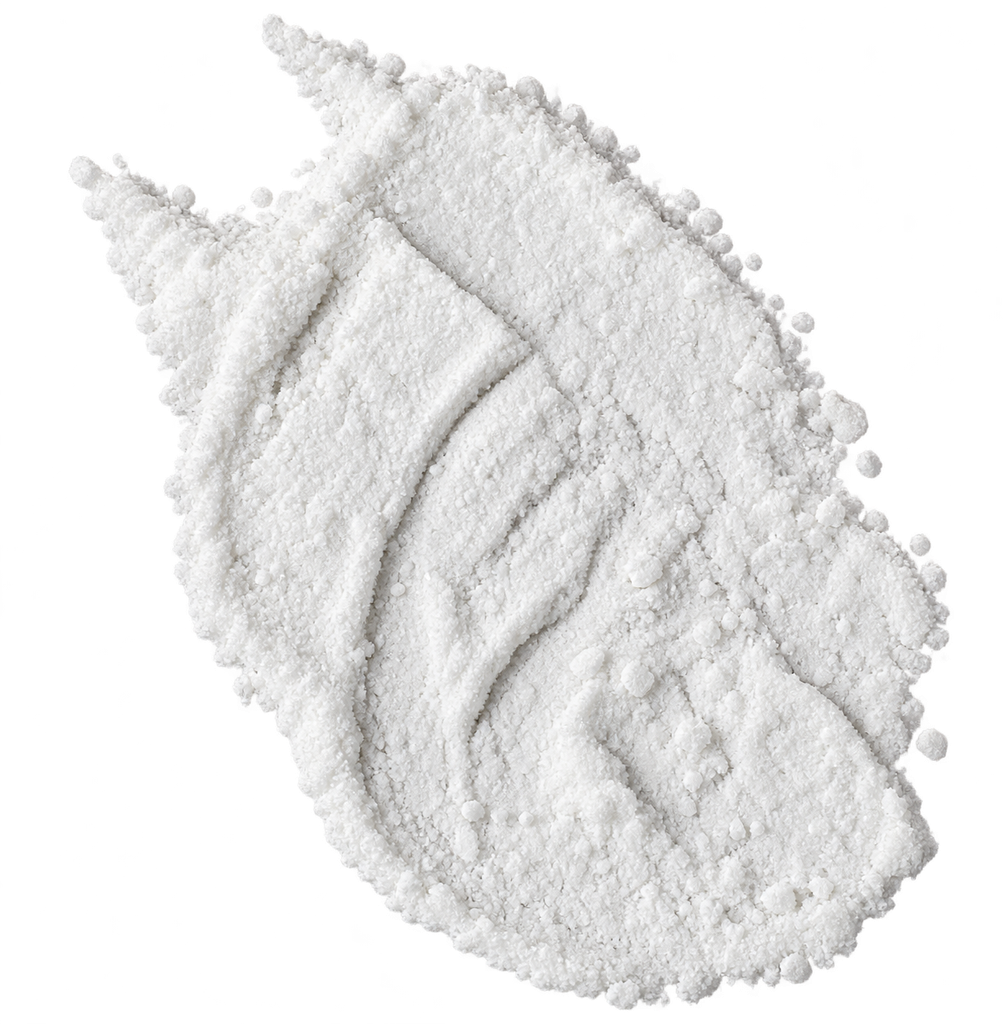
Methylparaben is an effective cosmetic preservative that helps protect skincare and personal care products against bacteria, yeasts, and molds. It supports product stability, reduces the risk of microbial contamination, and helps maintain product quality during storage and regular use.
A chelating agent that binds metal ions in the formula, improving stability, product quality, and performance over time.
GTIN:
6285817026137
Methylparaben is a widely used cosmetic preservative belonging to the paraben family. It is commonly incorporated into skincare and personal care formulations to protect products against microbial contamination and help maintain their safety, quality, and stability throughout their intended shelf life.
Known for its antimicrobial properties, Methylparaben is particularly effective against many fungi and certain bacteria. It helps inhibit the growth of microorganisms that may develop in cosmetic products, especially formulations containing water.
Methylparaben is frequently used in facial creams, moisturizing lotions, serums, cleansers, masks, and other cosmetic formulations. It can be combined with other approved preservatives to provide broader antimicrobial protection.
Its effectiveness depends on several formulation factors, including concentration, pH, solubility, and compatibility with other ingredients.
When used within established regulatory limits, Methylparaben is considered safe for cosmetic preservation. The European Scientific Committee on Consumer Safety confirmed its safety at concentrations up to 0.4% in cosmetic products.
Benefits
Antimicrobial Protection: Helps inhibit the growth of microorganisms in cosmetic formulations.
Preservation Against Fungi: Provides effective protection against many yeasts and molds.
Product Shelf-Life Support: Helps maintain microbiological quality throughout the intended shelf life.
Formula Protection: Reduces the risk of microbial spoilage in water-containing formulations.
Broad Formulation Compatibility: Suitable for many creams, lotions, serums, and cleansers.
Preservative System Support: Can be combined with other preservatives to improve overall antimicrobial coverage.
Cost-Effective Preservation: Offers effective preservation at relatively low concentrations.
Formulation Versatility: Suitable for various skincare and personal care products when properly formulated.
Usage
Methylparaben is incorporated into cosmetic formulations as a preservative to help prevent microbial growth and protect the finished product from contamination.
Due to its limited solubility in cold water, it is commonly dissolved in suitable solvents, such as propylene glycol or ethanol, or incorporated into the heated water phase during manufacturing.
For water-based formulations, the ingredient should be fully dissolved before incorporation to prevent crystallization or uneven distribution.
Recommended Usage in Skincare Products
Application | Suggested Usage Level |
|---|---|
Facial Creams | 0.10–0.30% |
Moisturizing Lotions | 0.10–0.30% |
Facial Serums | 0.10–0.25% |
Body Creams and Lotions | 0.10–0.30% |
Facial Cleansers | 0.10–0.25% |
Cream Facial Masks | 0.10–0.30% |
Hand Creams | 0.10–0.30% |
Eye Care Creams | 0.10–0.20% |
Regulatory Maximum Concentration:
0.4%: Maximum concentration for Methylparaben used as an individual preservative.
These limits are expressed as acid equivalents under European cosmetic regulations.
Public Health+1
The suggested formulation ranges are general development guidelines, not guaranteed effective concentrations. The final preservative system must be validated through preservative efficacy testing.
Solubility
Water: Slightly soluble, approximately 0.25 g per 100 mL at 25°C.
Hot Water: Solubility increases significantly with temperature.
Ethanol: Readily soluble.
Propylene Glycol: Readily soluble.
Glycerin: Limited solubility at room temperature; improves with heating.
Oils: Limited solubility.
Recommended Addition Stage: Heated water phase or pre-dissolved in a suitable compatible solvent.
Recommended pH Range: Approximately 3–8 for practical cosmetic preservation, although performance varies with formulation conditions.
Applications
Facial Moisturizers and Creams
Body Lotions and Creams
Facial Serums
Anti-Aging Skincare Products
Facial Cleansers
Cream Facial Masks
Hand Creams
Eye Care Products
Body Washes and Shower Gels
Cosmetic Emulsions
Water-Based Skincare Formulations
Multi-Preservative Cosmetic Systems
Storage
Store Methylparaben in a cool, dry, and well-ventilated environment, away from excessive heat, moisture, and incompatible substances.
Keep the material in tightly sealed containers to protect it from contamination and maintain its physical and chemical stability.